Insights on Energy & Real Estate
Original analysis on energy markets, decarbonisation strategy, and building performance from the CenEMS team.

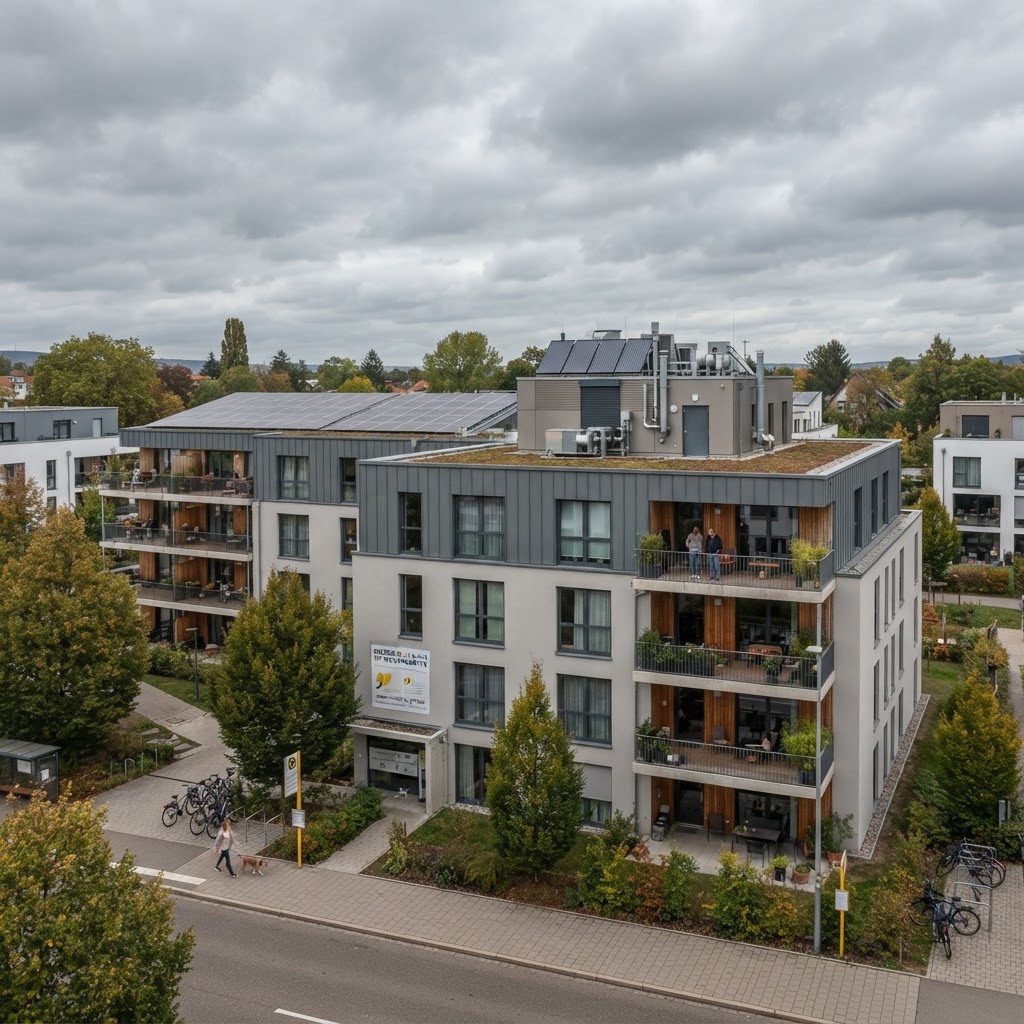
We Hadn't Even Touched Anything Yet: What 44,000 Data Points Revealed on One German Asset
18 months of heat meter, gas meter, and outdoor temperature data on a newly onboarded German multifamily asset pointed to €3,500–4,000 in annual savings — about 20% of its gas bill — before any intervention.

Non-Domestic Building Stock of England and Wales: EPC, MEES and Energy Analysis
Analysis of 934,000 commercial properties in England and Wales: 76% sit below EPC B, 67,000 large buildings face the 2031 MEES standard, and commercial roofs hold 12 TWh of untapped solar potential.

The 1970s UK Gas Conversion: Lessons for Net Zero
Britain converted 40 million gas appliances in a decade, fully state-funded. Why the same playbook can't simply repeat for today's heat pump transition.

Energy Sharing in Germany: What Property Operators Need to Know in 2026
Energy Sharing became law in Germany in June 2026. A clear guide to § 42c EnWG, Mieterstrom, and GGV — and what each means for your property portfolio.

ESG Labels are Out. Regulations aren't.
Companies are speaking less about ESG while investing more in sustainability. For real estate operators, the label debate is irrelevant — MEES deadlines, CRREM pathways, and brown discounts don't care what you call your programme.

Scope 1, 2, and 3 Emissions in Real Estate: A Guide for Investors and Asset Managers
Scope 1, 2, and 3 emissions in real estate categorise a building's greenhouse gas footprint by source. For most institutional portfolios, Scope 3 is the largest by volume, but Scope 1 and 2 carry the sharpest financial risk.
EPBD: The €1T Real Estate Transformation
For real estate investors, the math of the energy transition has reached a critical tipping point. The buildings you own are currently responsible for 40% of Europe's energy consumption. The EPBD has become the main driver of decarbonization — and a fundamental shift in asset valuation.
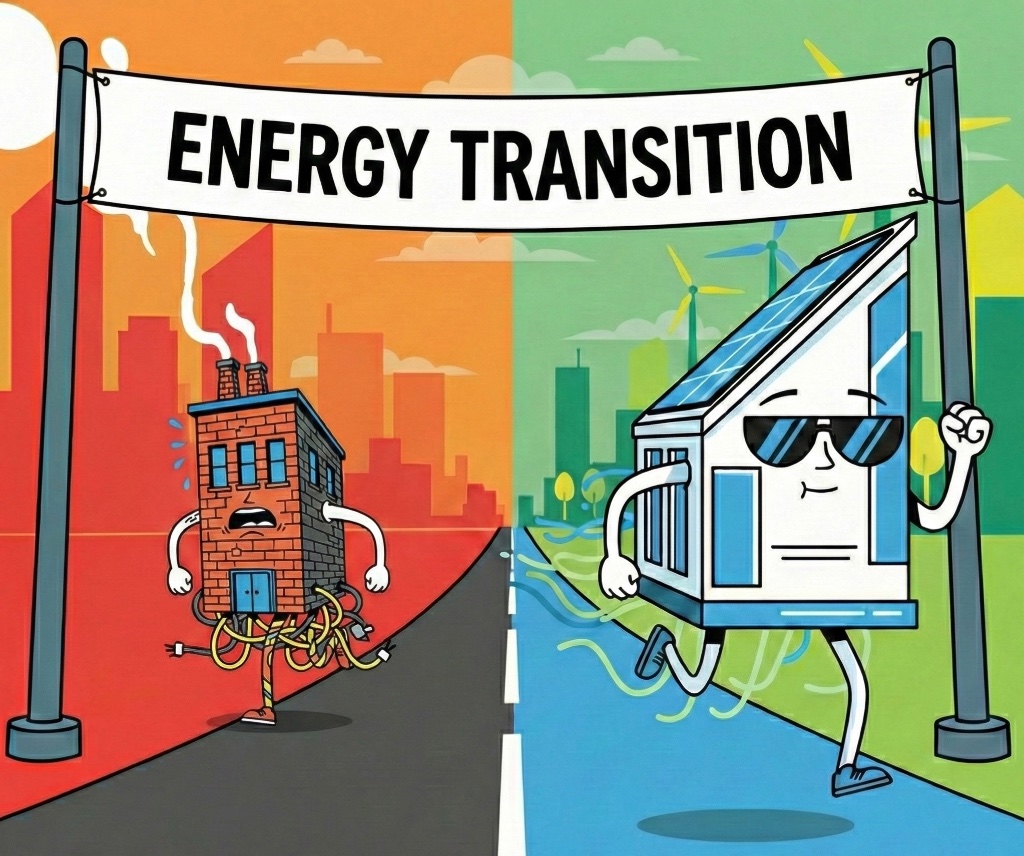
The New Power Paradigm: Why Microgrids are the Future of Resilient, Green Real Estate in Europe
The European real estate sector is navigating a fundamental transition. On one side, the Energy Performance of Buildings Directive (EPBD) is mandating a zero-emission building stock by 2050. On the other, a volatile geopolitical landscape has exposed the fragility of centralized energy markets.

The Bridge to Net Zero: Why Hybrid Heating could be the Smartest Play for Real Estate Portfolios
The pressure to electrify heat is immense, yet full-scale heat pump retrofits can be prohibitively expensive. Enter the Hybrid Heating System: a strategic bridge offering the resilience of traditional heating with the efficiency of modern electrification.
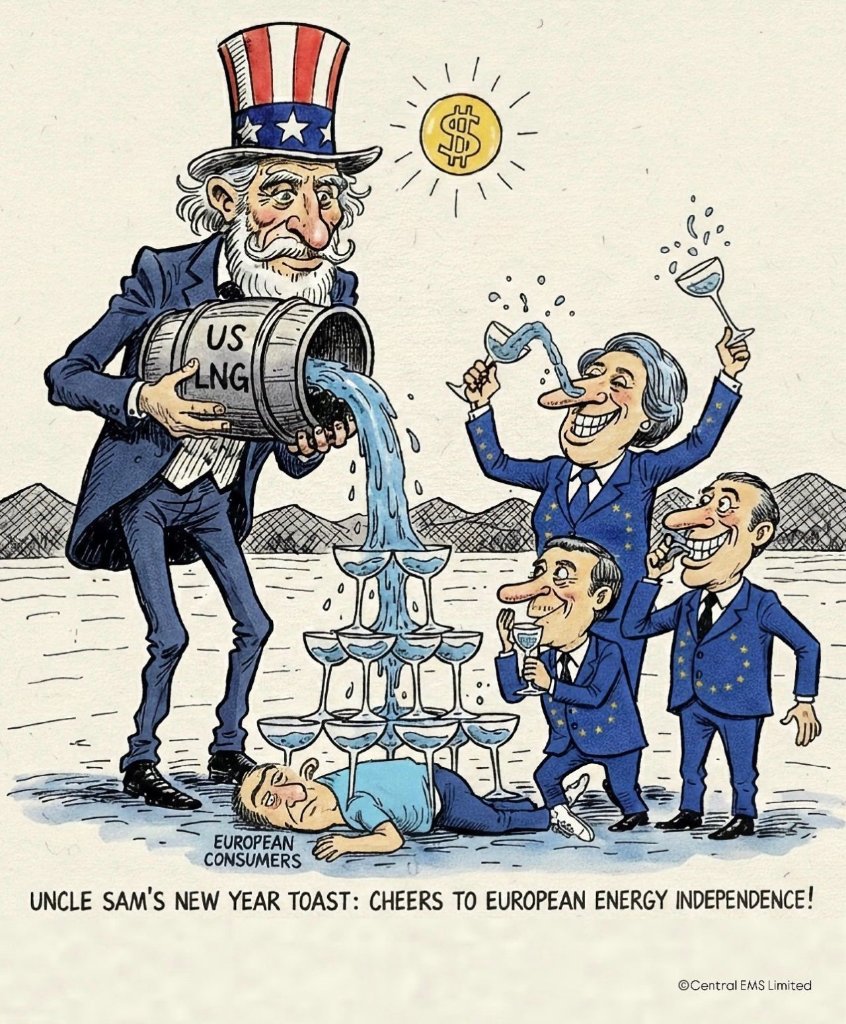
Europe’s LNG Imports Are Set to Hit New Heights in 2026 — But What Does That Mean for Energy Independence?
Europe is set to import more liquefied natural gas (LNG) in 2026 than ever before, with estimates pointing to ~185 billion cubic meters, driven by efforts to refill inventories, navigate geopolitical shifts, and substitute for dwindling pipeline flows.
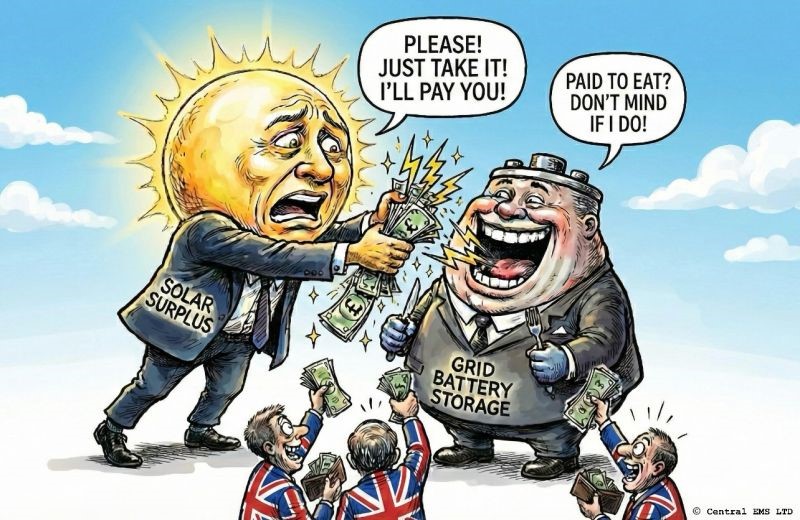
Negative power prices are becoming more frequent in the UK — and that’s a signal worth paying attention to
As renewable generation continues to scale rapidly, there are more periods where electricity supply exceeds demand.
Stay updated with CenEMS
Join our newsletter for the latest energy management insights delivered to your inbox.